Naming the Categories
An introductory session that sets the shared vocabulary for the rest of the series, without pretending the words "need" and "want" are as fixed as they sound.
The Structure
Five linked modules, each built around a different kind of everyday decision. Sessions can be attended in order or dipped into individually, depending on which scenario feels most relevant right now.
Each module runs as a standalone online session, roughly ninety minutes long, with a short case study and a facilitated discussion.
An introductory session that sets the shared vocabulary for the rest of the series, without pretending the words "need" and "want" are as fixed as they sound.
Recurring payments that quietly outlive the reason they were started, examined through several short subscription case studies.
Why some replacements happen well before anything actually breaks, and what that timing might be telling us.
A closer look at how "urgent" gets defined differently depending on mood, timing, and who else is watching.
What happens when a need for one person in a household reads as a want to another, and how those conversations tend to unfold in practice. This closing module often runs longer than the others, since disagreement is part of the material rather than something to resolve quickly.

Sessions run live and online, with groups kept small enough that everyone who wants to speak gets the chance. After the opening case study, participants move into smaller breakout conversations before returning to the full group to compare notes.
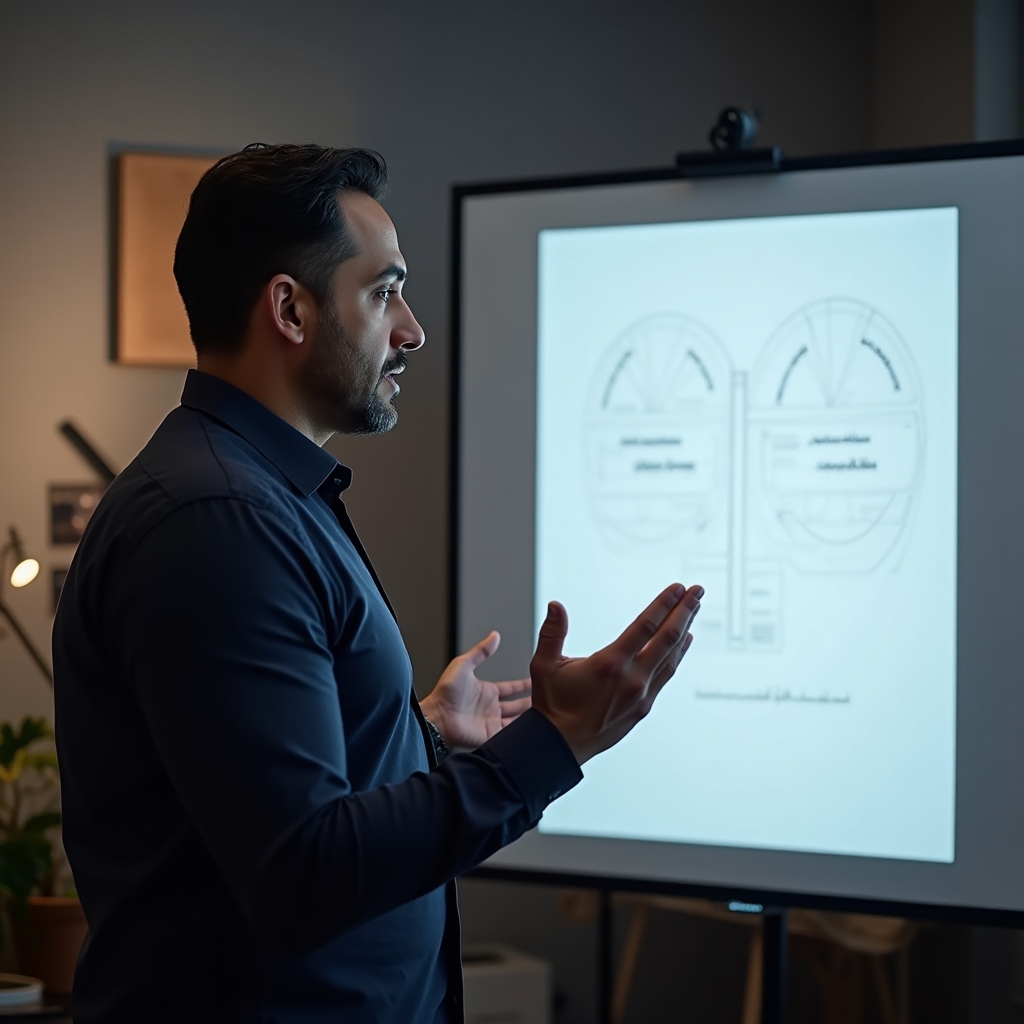
The facilitator introduces the scenario, poses a handful of open questions, and steps back. Their role is closer to a moderator than a teacher, keeping the discussion grounded in the specific case study rather than drifting into generic advice.
Each module comes with a short printed case study, sent ahead of the session so participants can read it at their own pace. A simple reflection sheet follows afterward, with a handful of open questions rather than a scoring system or checklist.