
Pattern Recognition, Not Rule-Following
Instead of memorizing categories, participants trace their own recent decisions back to the moment the want started to feel like a need. The goal is recognition, not compliance with a checklist.

Most people already know, in the abstract, the difference between a need and a want. What tends to be harder is noticing which one is actually steering the decision in the moment it's being made.
Every module is built around observation rather than instruction. These five elements repeat across the series, in different combinations.
Instead of memorizing categories, participants trace their own recent decisions back to the moment the want started to feel like a need. The goal is recognition, not compliance with a checklist.
Each session opens with a two-minute scenario drawn from ordinary life: a phone upgrade, a shared grocery bill, a canceled gym membership.
Nobody is told what they should have bought or skipped. The sessions describe patterns; they don't hand out verdicts.
Facilitators ask questions more often than they answer them. Small breakout conversations let participants compare how the same scenario reads differently depending on who is looking at it.
Notes and short reflection prompts are shared after each session for those who want to keep thinking privately.
No abstract theory. Every example comes from ordinary purchases and choices people recognize immediately from their own week.
A preview of the kind of everyday material each session works through, before any conclusions are drawn.
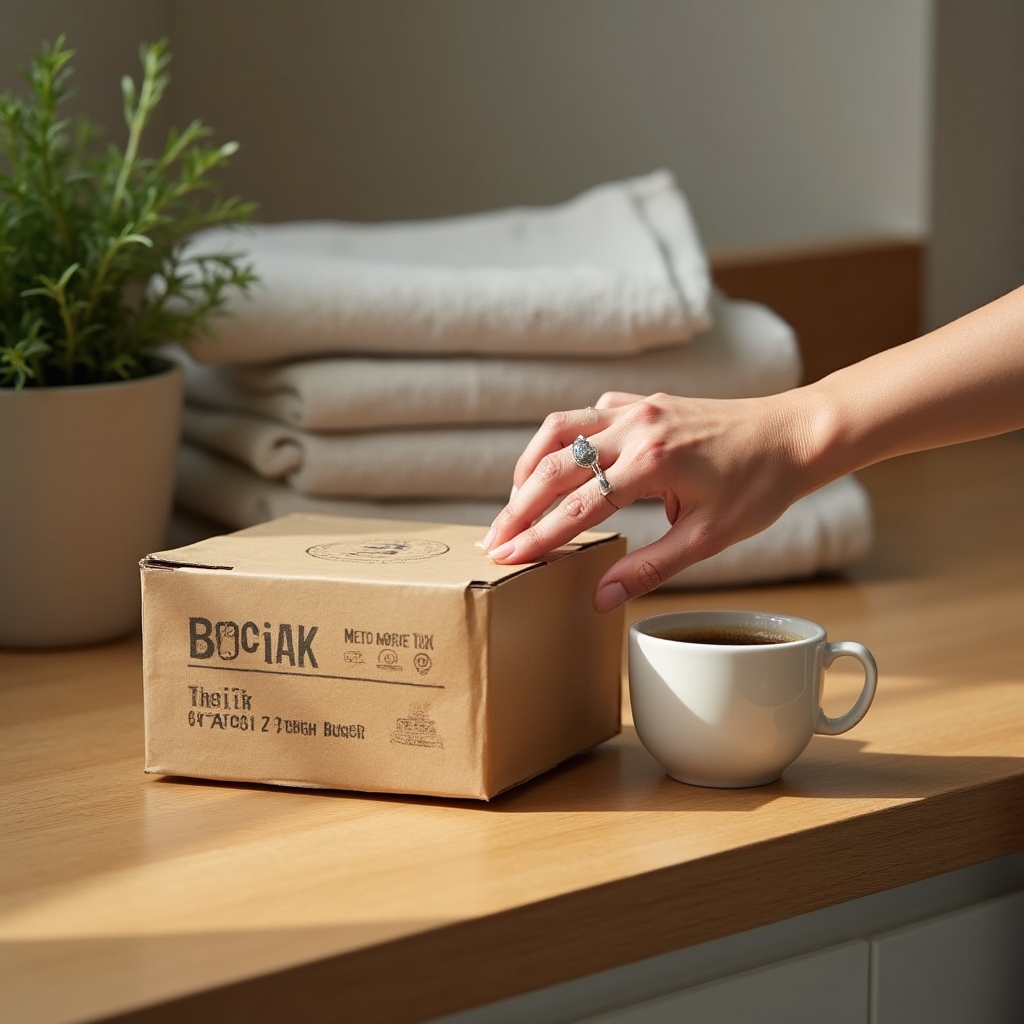
A monthly coffee delivery keeps arriving after the household switched to a different brand. Nobody remembers actively deciding to keep it. The session doesn't ask whether the subscription was a good idea. It asks what made continuing it feel easier than stopping it.

A working phone gets replaced two years earlier than planned. The screen wasn't cracked. The battery wasn't dead. Participants trace the exact moment the upgrade shifted from an option to something that felt almost necessary.

Money set aside for emergencies sits untouched for years, even during months that felt tight. Was that restraint, caution, or something closer to avoidance? The case study looks at how the same fund gets described differently depending on who is asked.
A small, unplanned gift ends up in the cart alongside the weekly groceries. There's no birthday, no holiday, no clear reason. The session treats this not as a lapse but as data worth looking at plainly.

The point isn't to arrive at a fixed answer for every purchase. It's to notice, clearly enough to remember later, what was actually happening when the decision was made.
Most guidance on spending arrives as a rule: a percentage, a waiting period, a list of forbidden categories. Rules travel well from one article to the next, but they rarely survive contact with an actual kitchen table, an actual shared account, an actual Tuesday evening.
This series works differently. Instead of prescribing a rule and asking participants to apply it, each session slows down a real, small decision and asks what was actually going on. Sometimes the same purchase looks like a want from one angle and a genuine need from another, once context is added. That ambiguity isn't a flaw in the method. It's usually the most useful part of the conversation.
Reach out through whichever channel fits the question. All three are checked during regular business hours.
Skwer Kardynała Stefana Wyszyńskiego 5/28
Warszawa, Poland